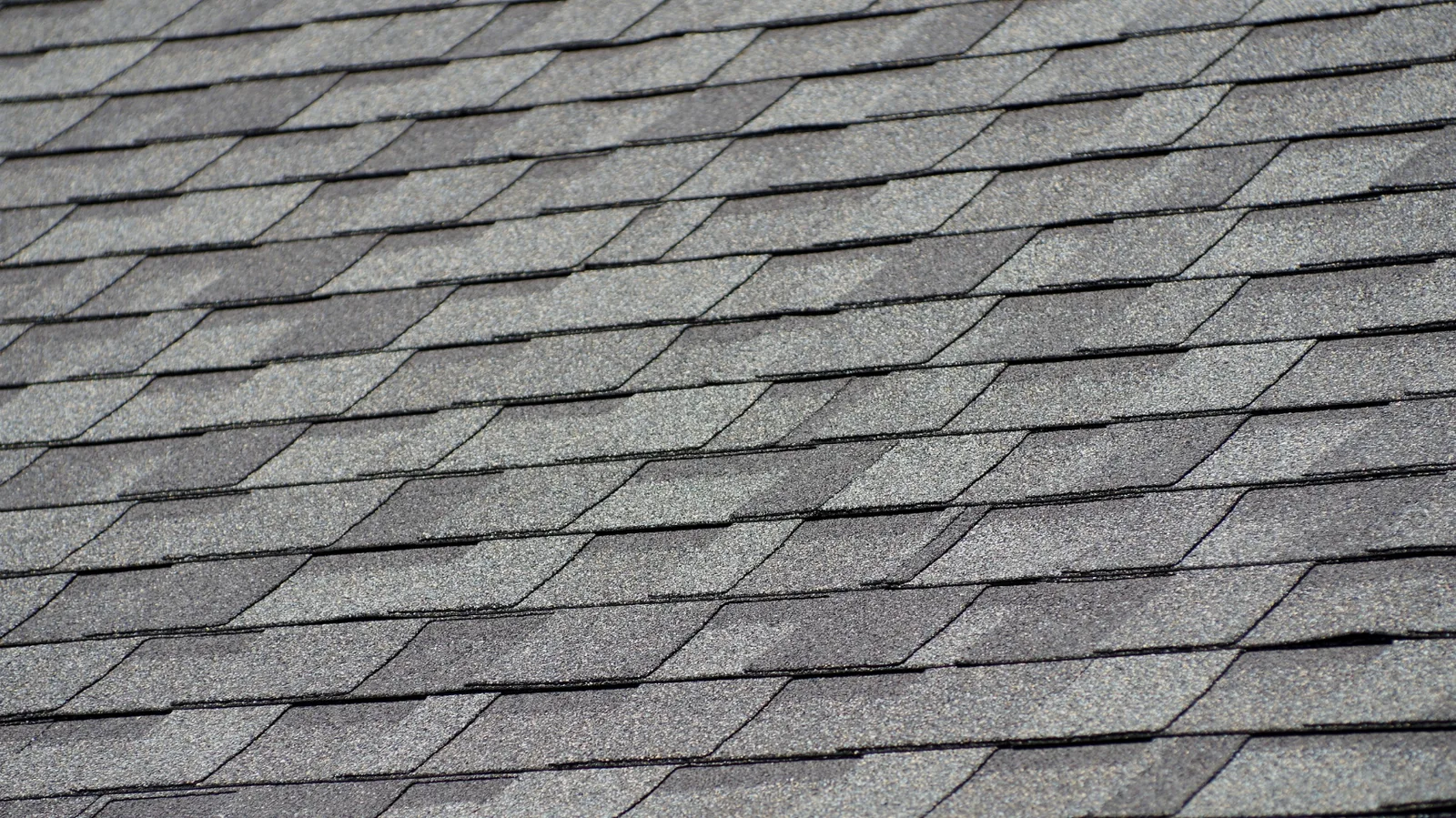
Three-tab shingles
A relatively flat, uniform pattern gives the roof a regular appearance. Availability and product requirements vary, so the specific shingle matters more than treating the category as a universal specification.
Compare shingle profiles, impact classifications and complete-project budgets. Choose a roof covering with the installation system in mind.
Shingles affect how the roof looks, but appearance is only one part of the choice. Profile, impact classification, color and the installation requirements answer different questions. A product can have a dimensional appearance without carrying a particular impact rating.
Begin with the roof that needs covering and the budget available for the whole project. Material samples are useful for color and texture; the actual product specification establishes its tested classifications and installation requirements.
If you are still deciding whether the whole roof needs work, start with replacement planning before narrowing the shingle choice.
A relatively flat, uniform pattern gives the roof a regular appearance. Availability and product requirements vary, so the specific shingle matters more than treating the category as a universal specification.
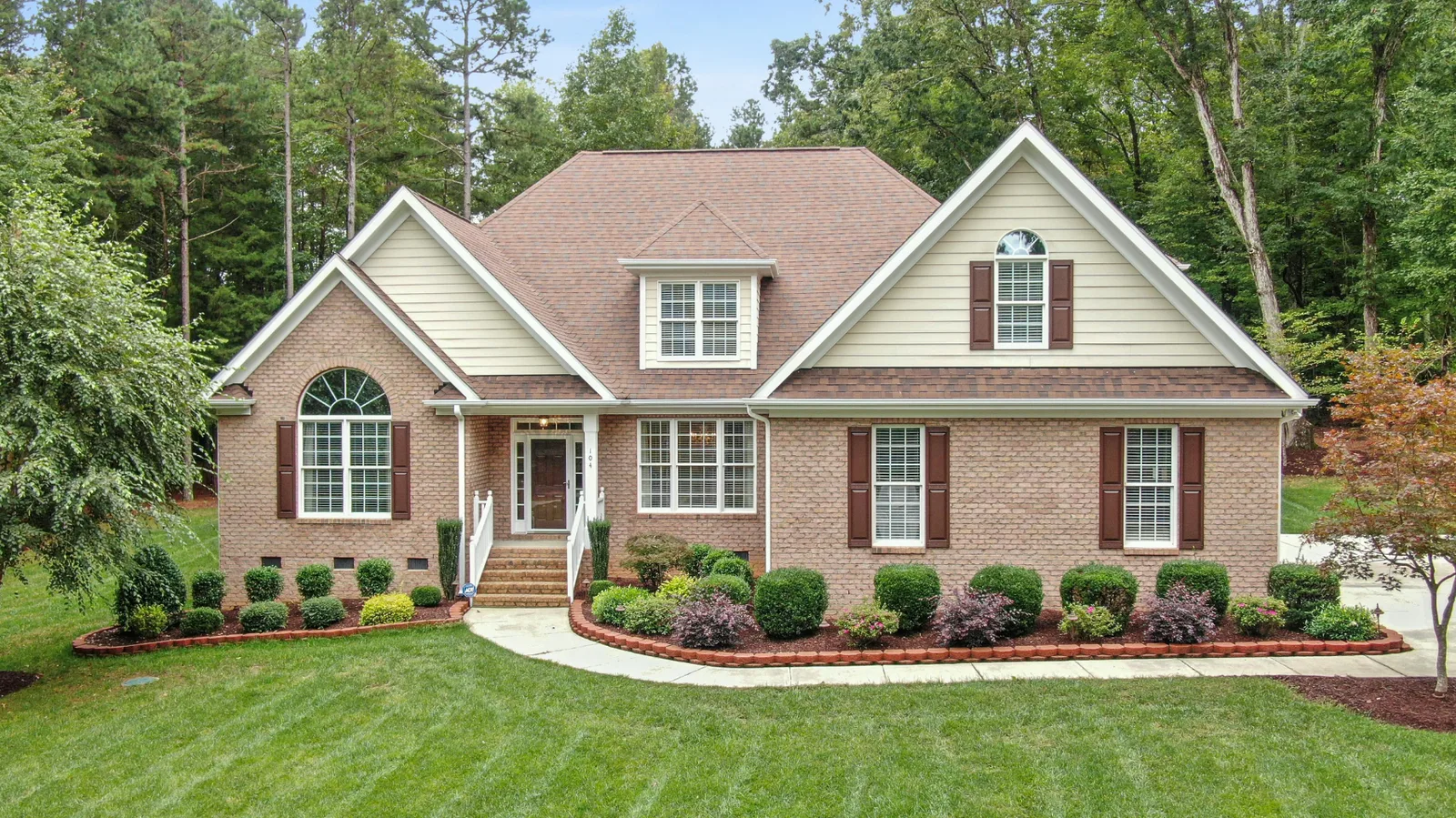
Layered construction creates a more dimensional appearance. These are a common replacement option, with several color families and product grades to compare.
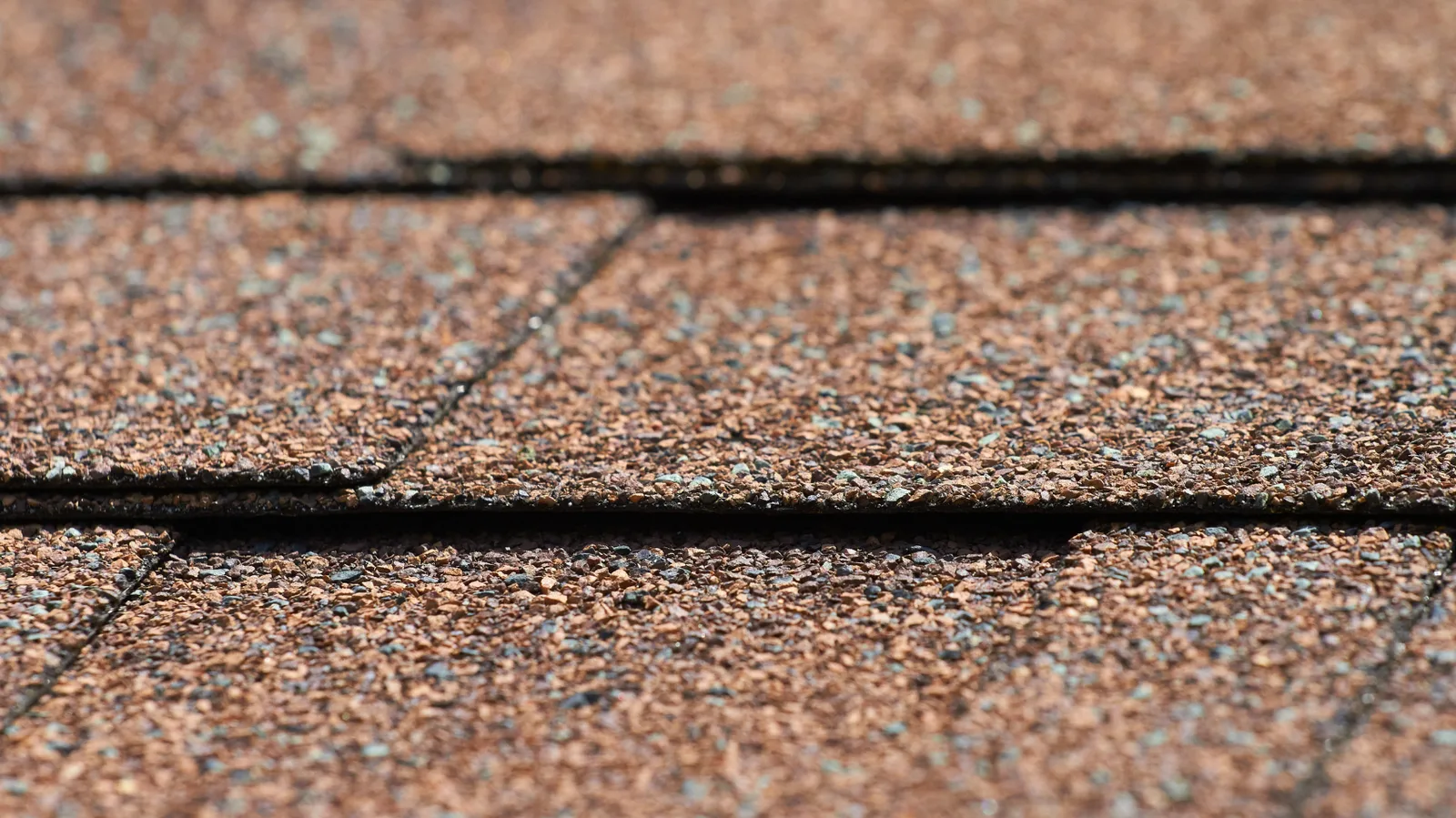
A more pronounced shape or profile can echo another roof material or make the roof a stronger visual feature. The larger material and installation commitment belongs in the total budget.
An impact classification describes a product's performance under a specified test. It is not a promise that future hail cannot damage the roof, and it does not establish that every product with a thick-looking profile has the same classification.
If an insurance discount is part of the decision, confirm eligibility and required documentation with the insurer for the exact product before treating savings as part of the budget. The roofing choice should still make sense without an assumed discount.
At the same example size, the installed budget makes the tradeoff easier to see.
Illustrative installed totals for 2,000 sq. ft. of actual roof surface in Dallas–Fort Worth, using published regional bands checked September 2026. Ordinary tear-off, disposal, labor, materials and permit assumptions are included. Extra layers, damaged decking, complex details or difficult access can change the price. These are planning examples, not Saginaw quotes.
Good material cannot compensate for an incomplete roofing system.
The product requirements govern starter courses, fastener placement and other details. The roof needs a secure connection at its perimeter as well as in the field.
The covering must work with the layers around valleys, walls and penetrations. Leaving a failed flashing beneath a new shingle does not restore that joint.
Attic conditions and required system components can affect performance and coverage. The warranty guide separates material protection from the installer’s workmanship terms.
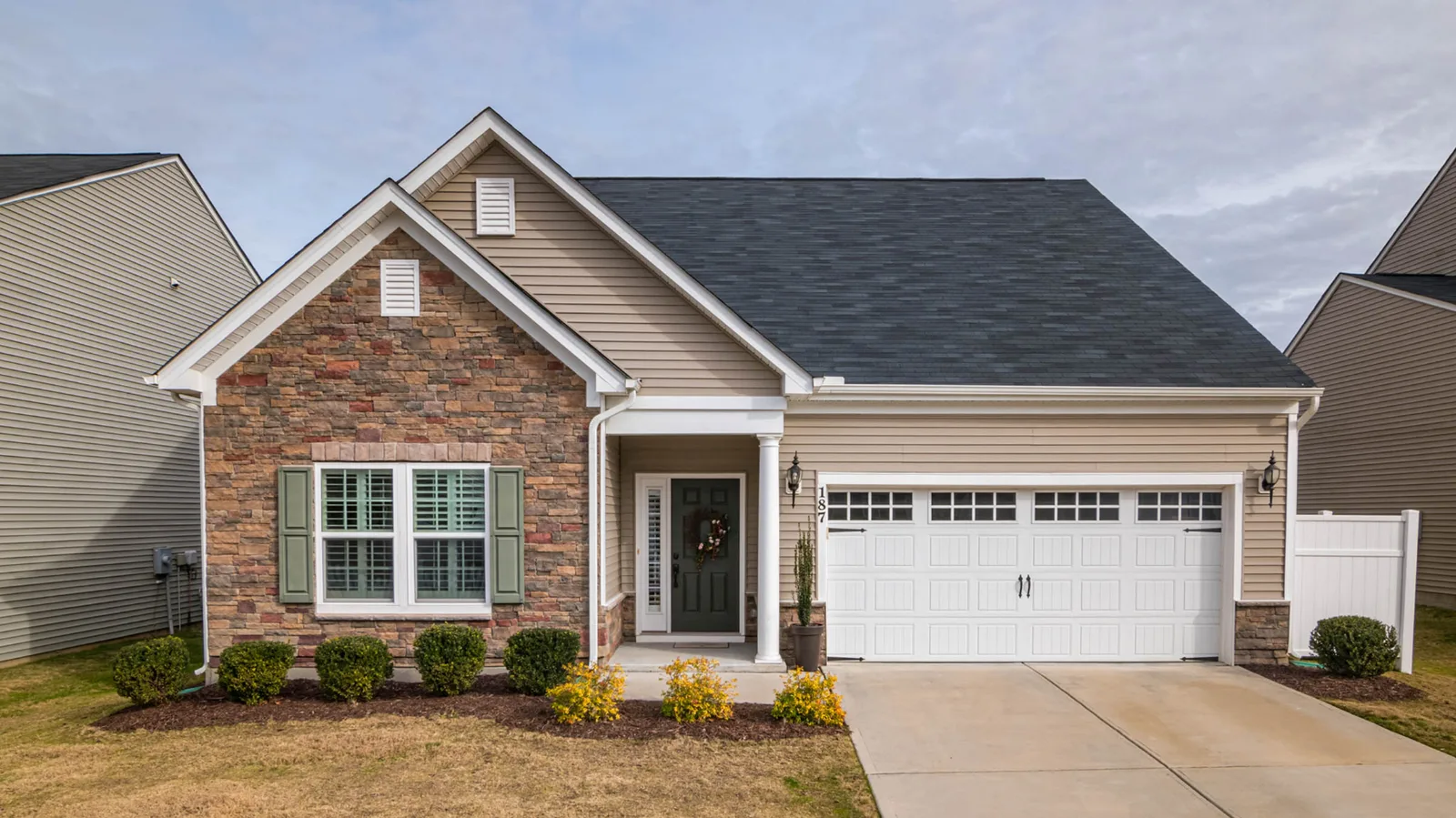
A free roof inspection helps put the material choice in context. Tell us what you want the next roof to do and what you are considering spending.