Membrane and existing repairs
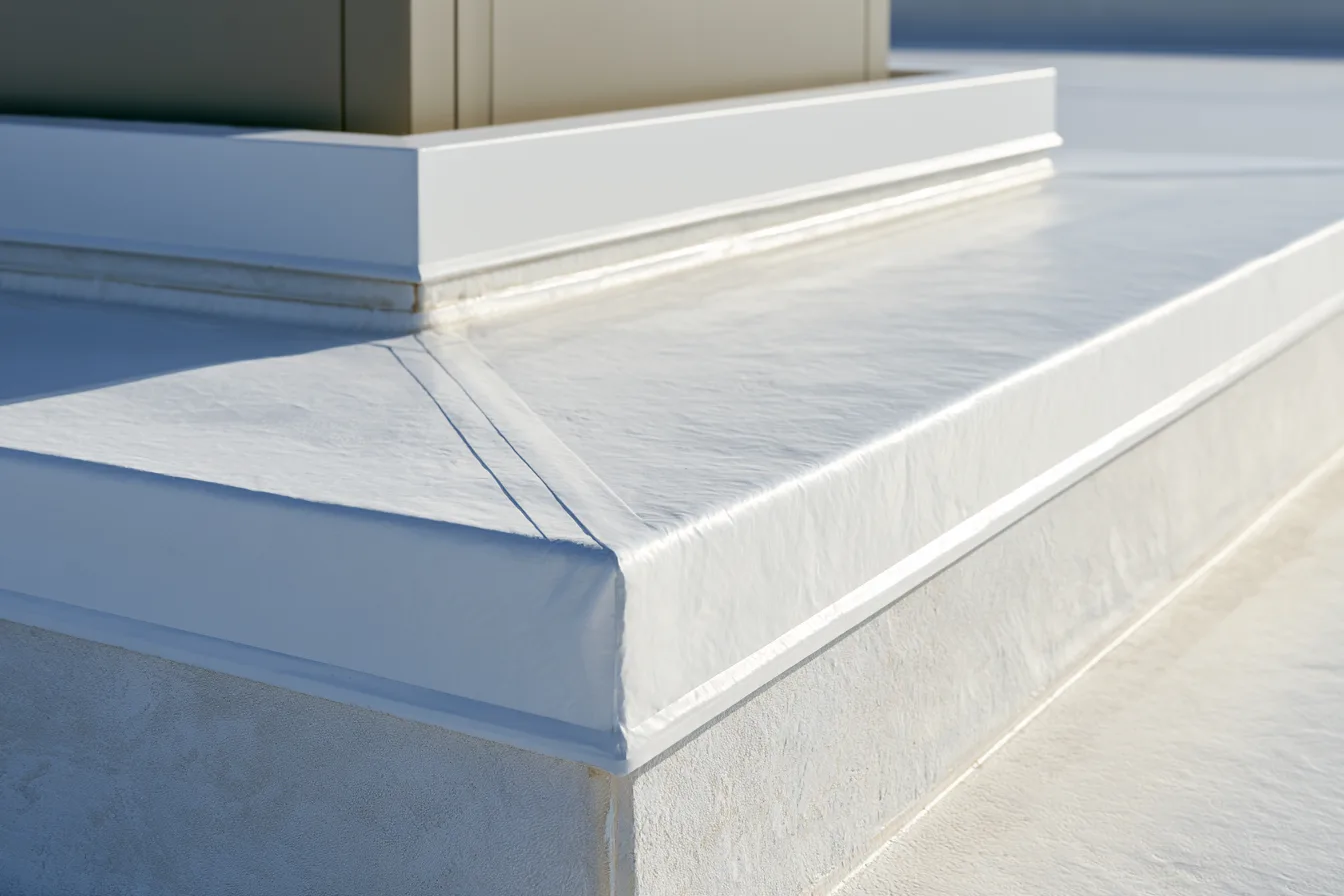
Identify the roof material and previous patch products before choosing a compatible method. Seams, curb flashings, penetrations and edges may fail differently from the open field.
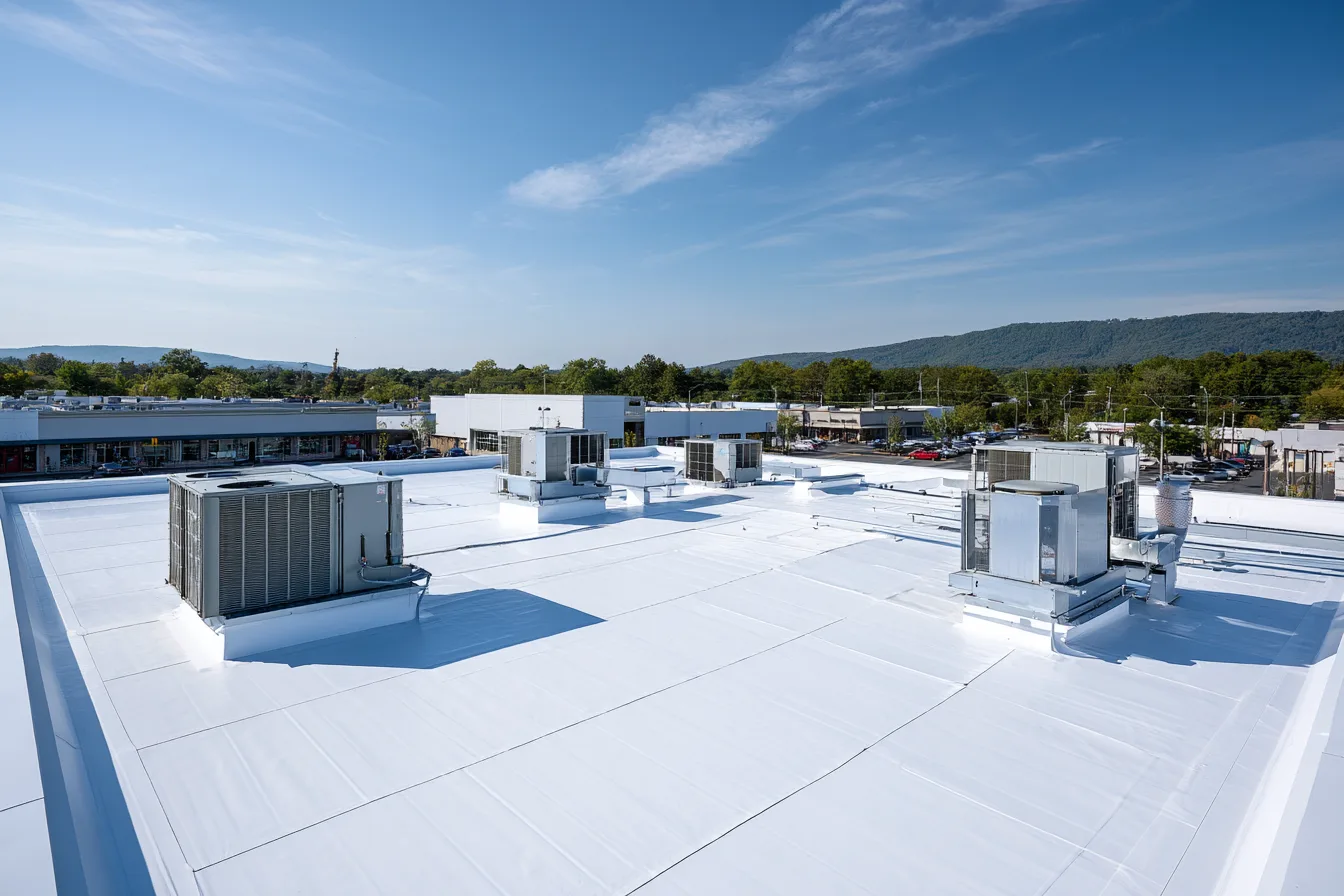
Commercial roof repair, TPO and coating guidance for Saginaw properties. Start with the roof condition and the practical needs of the building below it.
A roof leak can interrupt more than the room where it appears. Stock may need moving, tenants need access and equipment can limit where roof work is staged. The right roofing scope should deal with the water problem while recognizing how the property is used.
Commercial roofing starts with the existing assembly. A serviceable membrane with a failed detail may need a targeted repair. Moisture beneath the covering, poor attachment or extensive deterioration can require opening the roof and rebuilding more of it. A coating is another possibility only when the retained roof can support that system.
Tell us the building use, roof concern and known repair history. Saginaw’s business properties are not one roof type, and a measured assessment is more useful than choosing a system from the street.
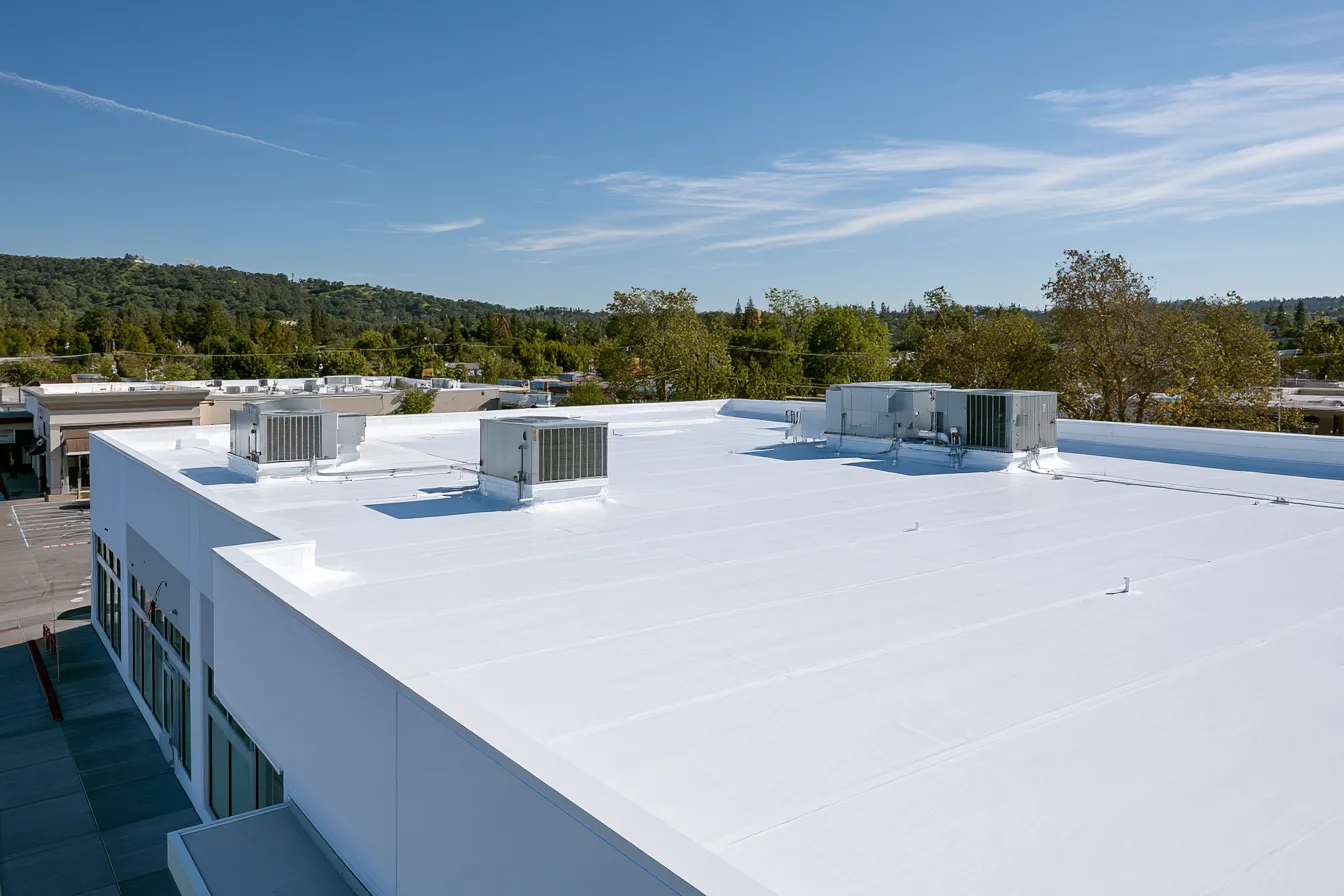
Each route explains a different decision. Use the current system and the condition of the roof to narrow the discussion.
Repair or renew a single-ply membrane with its seams, attachment and insulation in view.
Find out whether the existing roof is dry, stable and suitable for a compatible restoration system.
Follow the leak and drainage route before choosing the extent of low-slope repair.
The visible membrane is only the upper part of the assembly. The layers below determine what can remain.
Identify the roof material and previous patch products before choosing a compatible method. Seams, curb flashings, penetrations and edges may fail differently from the open field.
Wet insulation can reduce performance and leave unsuitable material trapped below new work. Survey findings and selective examination help establish the area that needs removal.
The supporting deck must carry the system and its fasteners. Drain locations, low areas and the route to outlets affect the renewal plan as much as the sheet material selected.
Rooftop equipment creates both roofing details and access needs. A curb must be flashed properly, while service technicians still need a practical route to the unit. Work on equipment itself may need coordination with another trade rather than being assumed in the roof price.
Before opening roof areas, the plan should account for the space below, material delivery, disposal and how each work area will be protected between stages. Noise, odors or restricted entries matter differently in a shop, office or occupied residential building. Describe those constraints early so they can be included in the project discussion.
A square-foot rate without an assembly description leaves too much of a commercial project unanswered. The scope needs to show what is being removed, retained and rebuilt.
Area, perimeter length, parapets, curbs, penetrations and drain work determine different quantities. Two roofs with the same area can have very different detail labor.
Tear-off depth, wet insulation and deck repairs affect disposal and reconstruction. A recover proposal needs a supported reason for retaining the layers beneath it, not simply a lower opening price.
Access equipment, staging restrictions, temporary protection and separate mechanical work affect the total. The proposal should also identify the system and any offered warranty terms without assuming manufacturer coverage applies automatically.
Share the building address, use and roofing issue. A free roof inspection is a useful start to a scope that accounts for both the roof and the operation below it.