Supporting deck and attachment
The deck condition and selected fastening or adhesion method affect how the system is secured. Perimeters, corners and transitions need their specified details rather than a uniform field-only treatment.
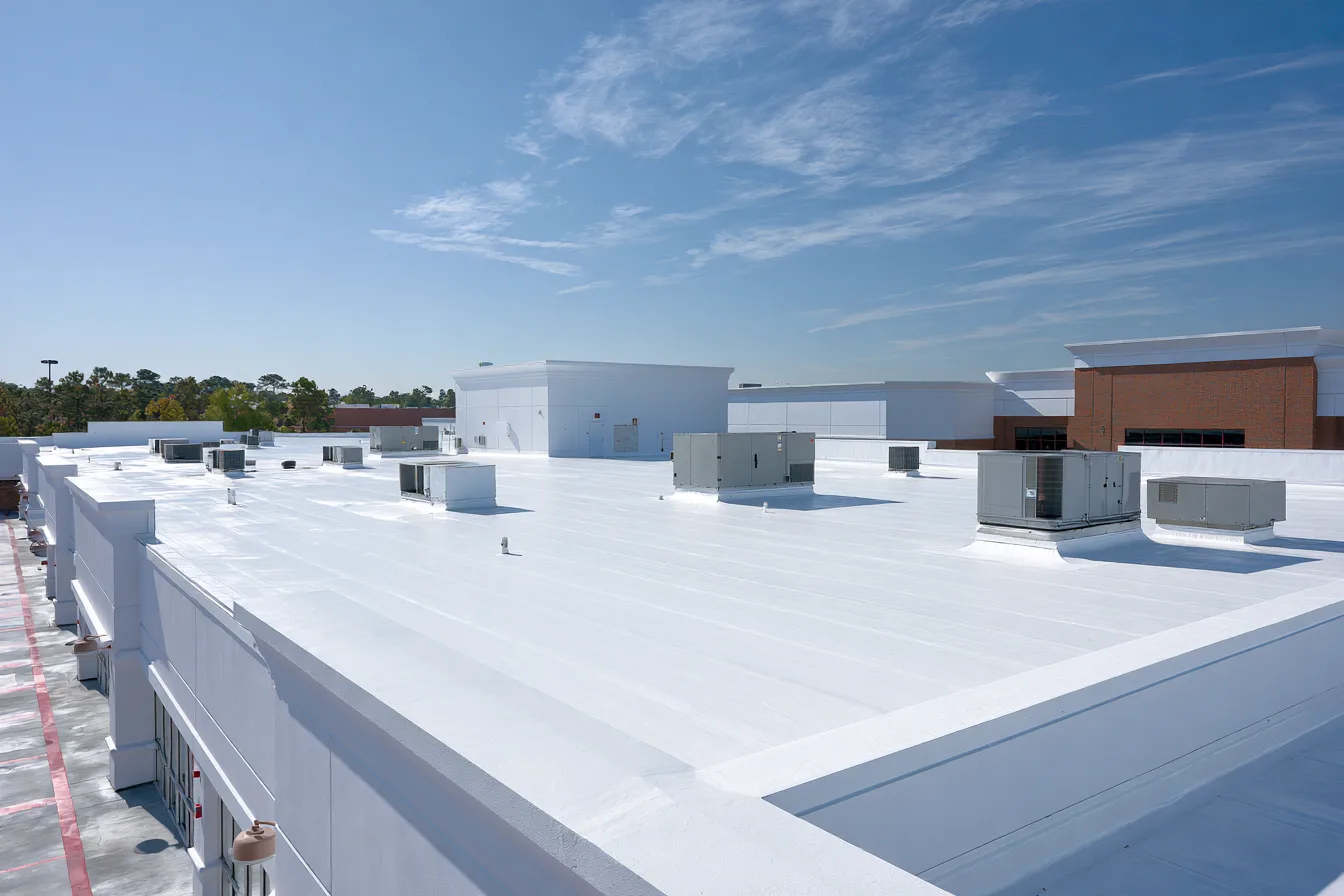
TPO roof repair and replacement planning for Saginaw commercial properties. Consider the membrane, seams, insulation and drainage as one roofing system.
TPO is a thermoplastic single-ply membrane. Its sheets form a continuous roof covering through heat-welded seams, with separate details where the surface meets walls, pipes, curbs and drains. The broad white field is only part of the roof’s water protection.
A leak may come from one damaged detail while the surrounding membrane remains useful. Before choosing a repair or new covering, the roofer needs to identify the existing material, assess its condition and understand whether moisture has reached the insulation or deck.
If you know the installation date or have product and repair records, they can help identify the system. Missing paperwork does not prevent a conversation; it means more of the assembly must be established through the roof itself.
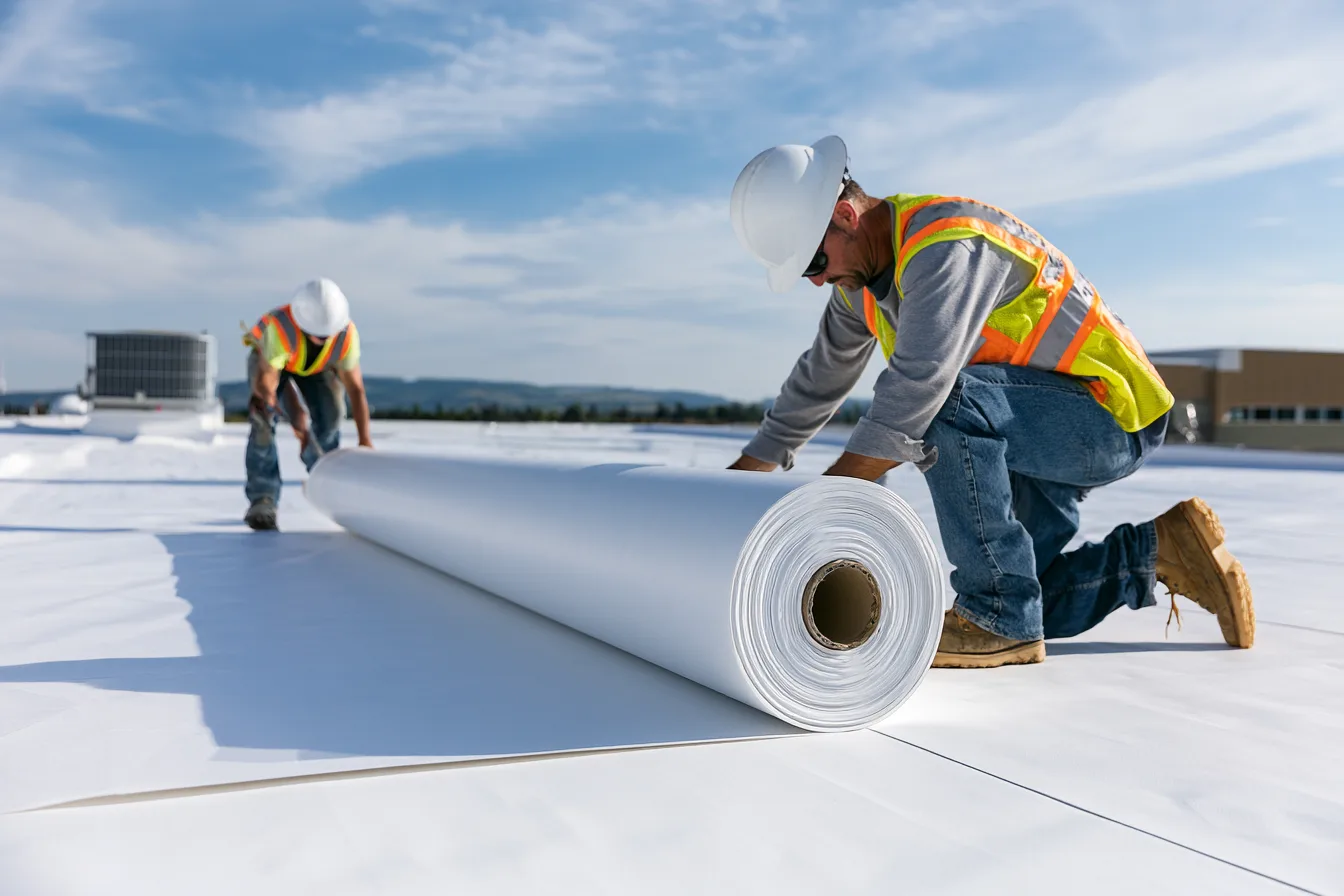
The seam is not simply an adhesive strip between two sheets. A heat weld joins compatible thermoplastic surfaces under controlled conditions. Dirt, moisture or weathered material at the joining surface can prevent a dependable connection.
Seams are checked after cooling, and a repair must use a compatible method on a properly prepared surface. At an equipment curb, the corner and vertical flashing have to continue that water barrier. Coating a visibly open seam does not recreate the welded connection beneath it.
For leaks with an uncertain source, flat roof repair follows the drainage and details before selecting the repair area.
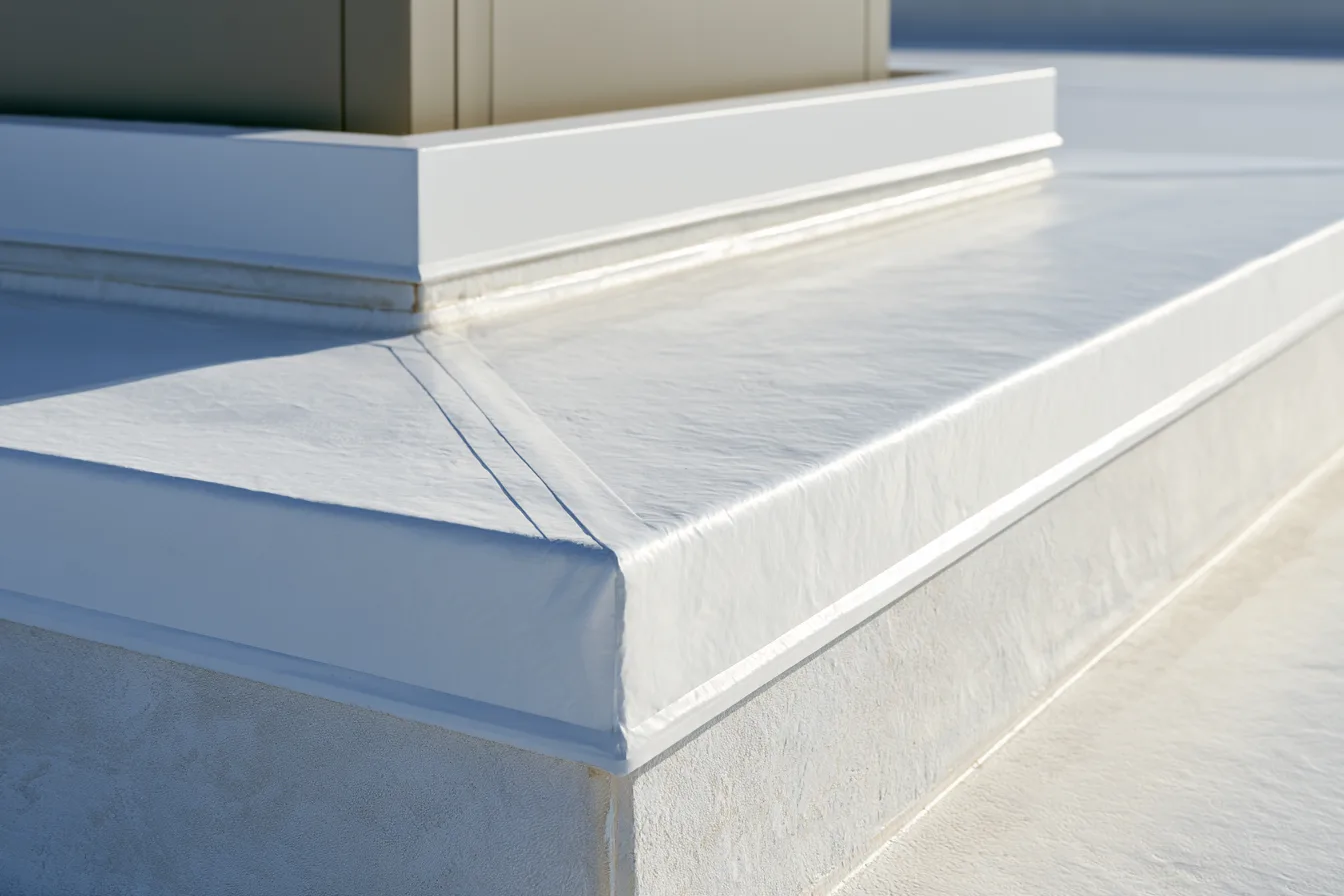
A TPO replacement is an assembly decision, not a choice of sheet color alone.
The deck condition and selected fastening or adhesion method affect how the system is secured. Perimeters, corners and transitions need their specified details rather than a uniform field-only treatment.
Dry, suitable insulation can be part of a retained assembly where the design allows it. Wet or damaged material needs attention. Thickness, slope and cover-board choices influence both the finished roof and the budget.
Tapered areas or drain work may be needed to improve the route for water. Equipment access should avoid unnecessary wear, with suitable protection where the system calls for it.
A puncture, seam problem or damaged flashing may be repaired if sound, compatible membrane surrounds it. The affected insulation still needs consideration if water has entered.
Installing a new system over retained roofing depends on its condition, moisture, attachment, code limits and the selected manufacturer’s requirements. An extra layer cannot make wet or unstable material suitable.
Widespread moisture, poor attachment or extensive deterioration can make removal the clearer scope. It exposes the deck and allows unsuitable layers to be replaced rather than enclosed.
A measured TPO proposal brings the assembly, detail work and building access into one budget. A price for membrane alone leaves those parts of the project unresolved.
Any system warranty depends on its written terms, installation requirements and eligibility. It is not established by the TPO material name.
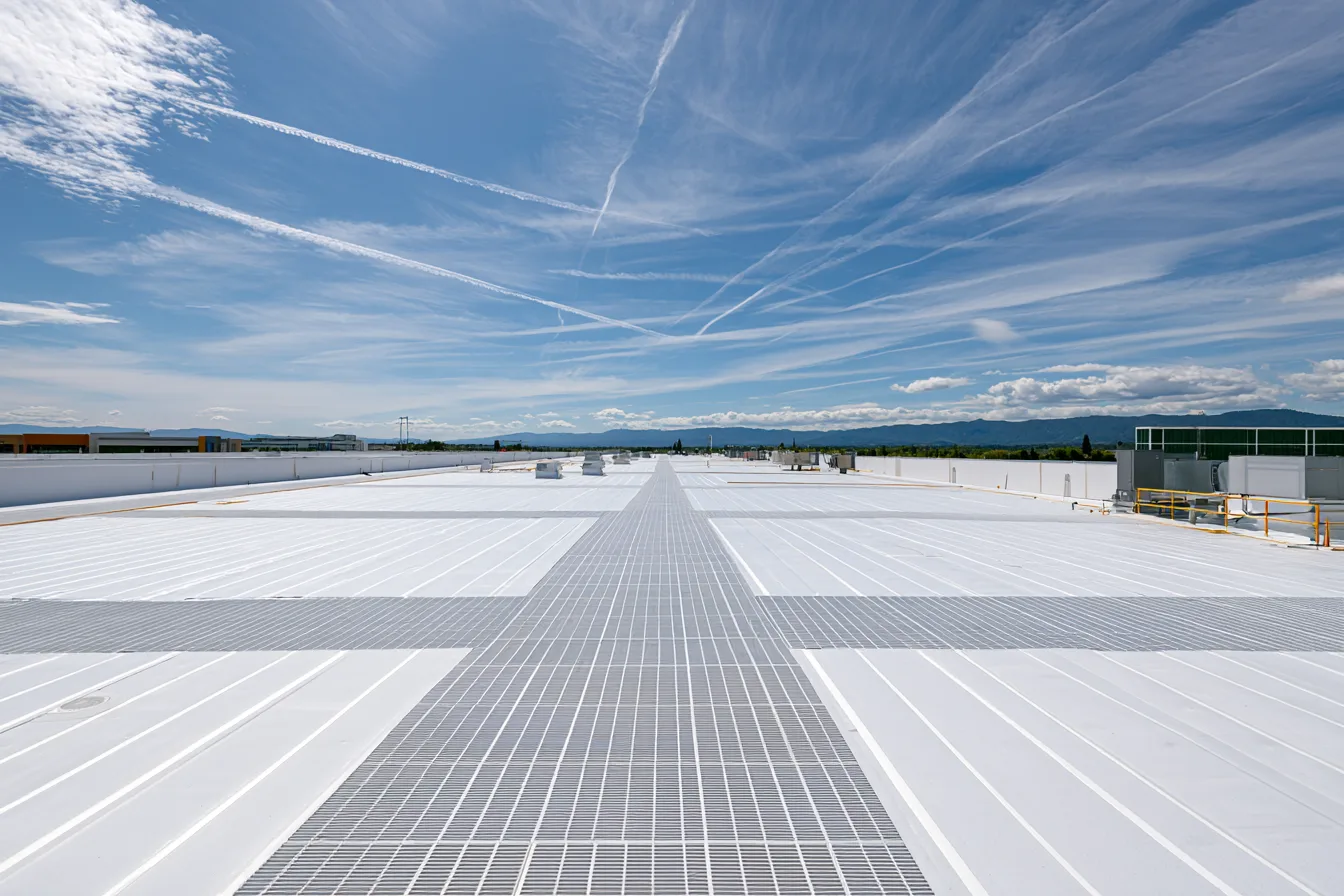
Tell us about the roof and the building below it. A free inspection helps establish whether the next step is a limited TPO repair or a broader renewal plan.