Profile and impact classification
Architectural, designer and impact-rated describe different aspects of a shingle. A heavier-looking profile is not automatically an impact rating. Compare the choices in the shingle guide.
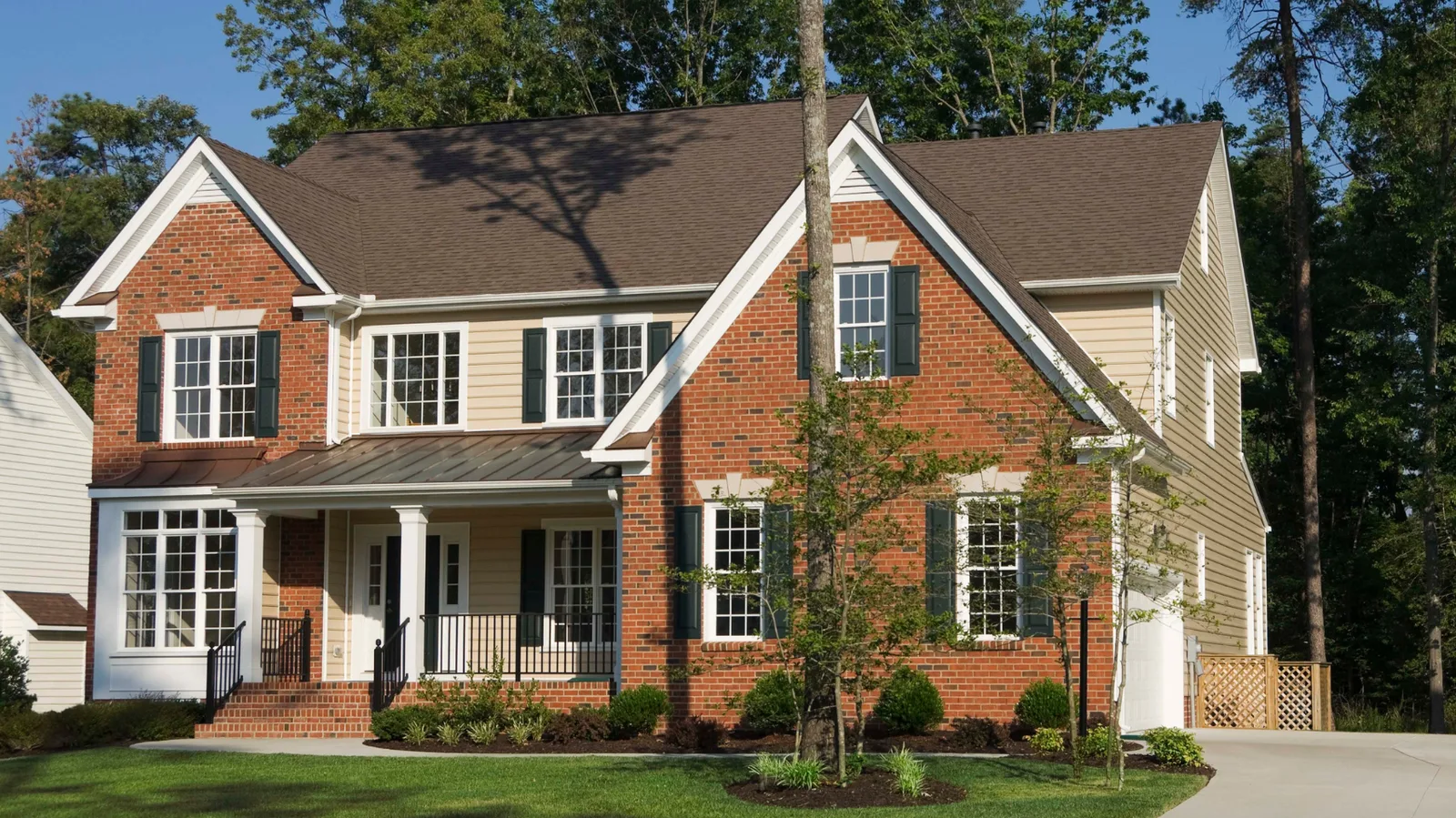
Plan a roof replacement with the removal, supporting repairs and new system in view. A free inspection helps establish whether the roof needs that larger scope.
Sometimes repairs can keep a useful roof working. Other times, the shingles have deteriorated across several slopes, repeated repairs no longer hold or damage extends beyond an area that can be joined to sound material. That is when replacing the covering becomes a practical conversation.
Replacement gives access to the parts hidden beneath the shingles. It is an opportunity to address failed flashing, damaged supporting wood and ventilation together, rather than leaving the new covering attached to old problems.
If the concern is limited to one area, the roof repair explanation shows what makes a smaller scope possible. The inspection should explain why your roof belongs in one discussion or the other.

The installation sequence matters because each concealed layer supports the one above it.
Plan the access and debris area, protect the space below and remove the existing covering as scoped. The number of old layers affects labor and disposal.
Inspect the deck and replace deteriorated areas that cannot support the roof. Concealed damage needs to be addressed before underlayment covers it.
Install the specified water-shedding layers, edge details, flashings, covering and ventilation. Transitions deserve the same attention as the open roof field.
Check the finished details and cleanup with the agreed scope. Keep the material and workmanship terms with the project information for later reference.
The deck carries the nails that hold the new covering. Soft wood or a damaged edge cannot provide the same support as a sound surface. A replacement price therefore needs a clear way to deal with deck damage discovered during removal.
A roofer may also find an old flashing buried beneath previous work. Reusing a failed connection simply because the surrounding shingles are new leaves a familiar route for water. The replacement scope should identify which details are being rebuilt and why.

These complete-project examples use the same roof area, making the material difference easier to understand.
Illustrative installed totals for 2,000 sq. ft. of actual roof surface in Dallas–Fort Worth, using published regional bands checked September 2026. Ordinary tear-off, disposal, labor, materials and permit assumptions are included. Extra layers, damaged decking, complex details or difficult access can change the price. These are planning examples, not Saginaw quotes.
The visible choice is the shingle. The complete choice includes what is beneath it and how the attic exchanges air.
Architectural, designer and impact-rated describe different aspects of a shingle. A heavier-looking profile is not automatically an impact rating. Compare the choices in the shingle guide.
Intake and exhaust need to work together without blocked paths. Adding a ridge vent alone does not establish a balanced system; the existing openings and attic conditions need a look.
Driveway staging, falling debris and roof noise affect the day at home. Plan access, pets and the protected areas with the project so the practical details are understood before removal begins.
A covered loss, the policy settlement and the chosen roofing scope are related but different. A deductible or upgrade can remain an owner expense even when a claim contributes to the work.
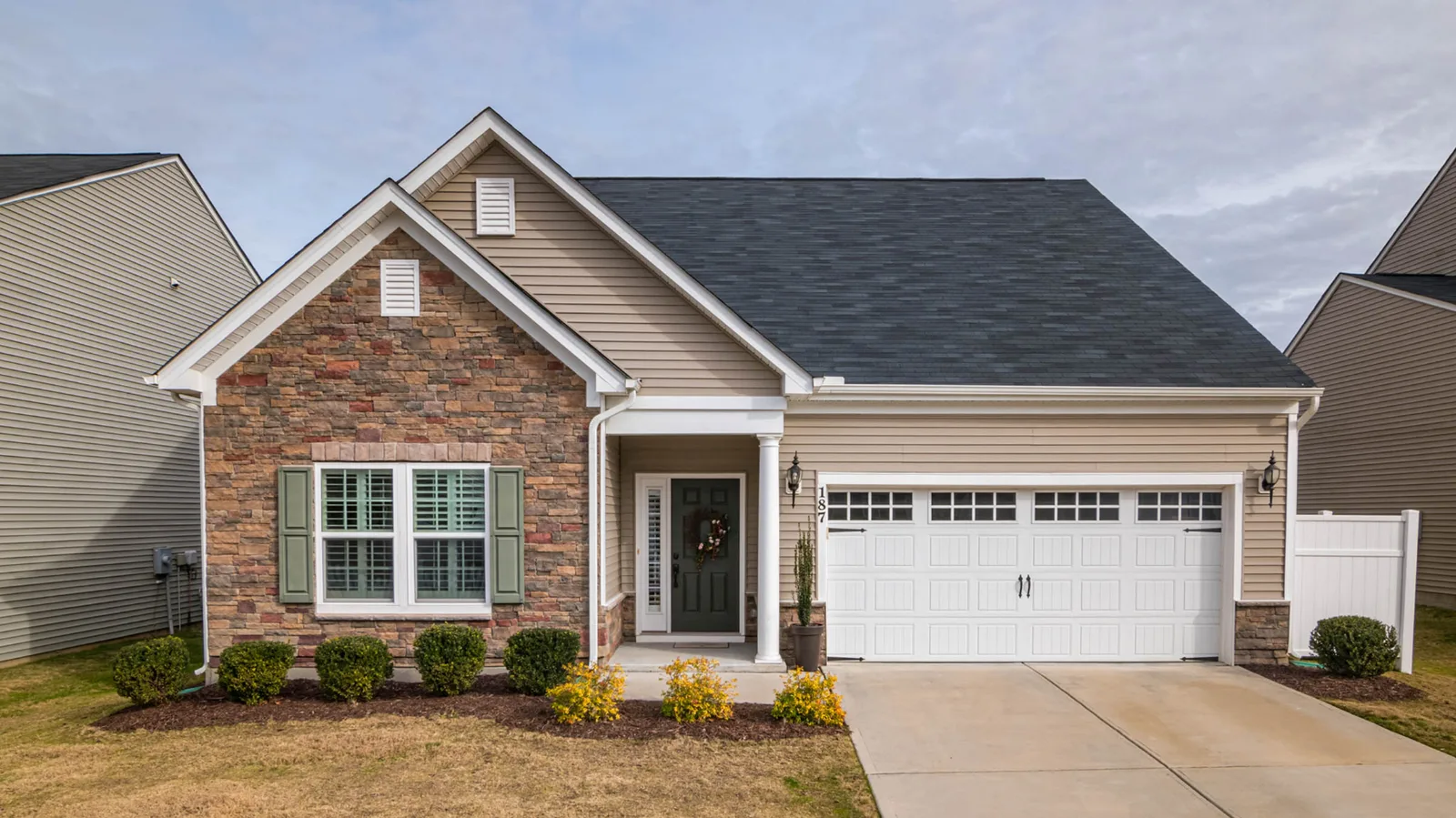
Start with a free inspection. We can help you get from an uncertain roof condition to a replacement conversation grounded in the actual house.