Roofing and supporting wood
The roof scope should identify damaged decking or other supporting material found at the opening. A wet surface and a decayed structural member require different attention.
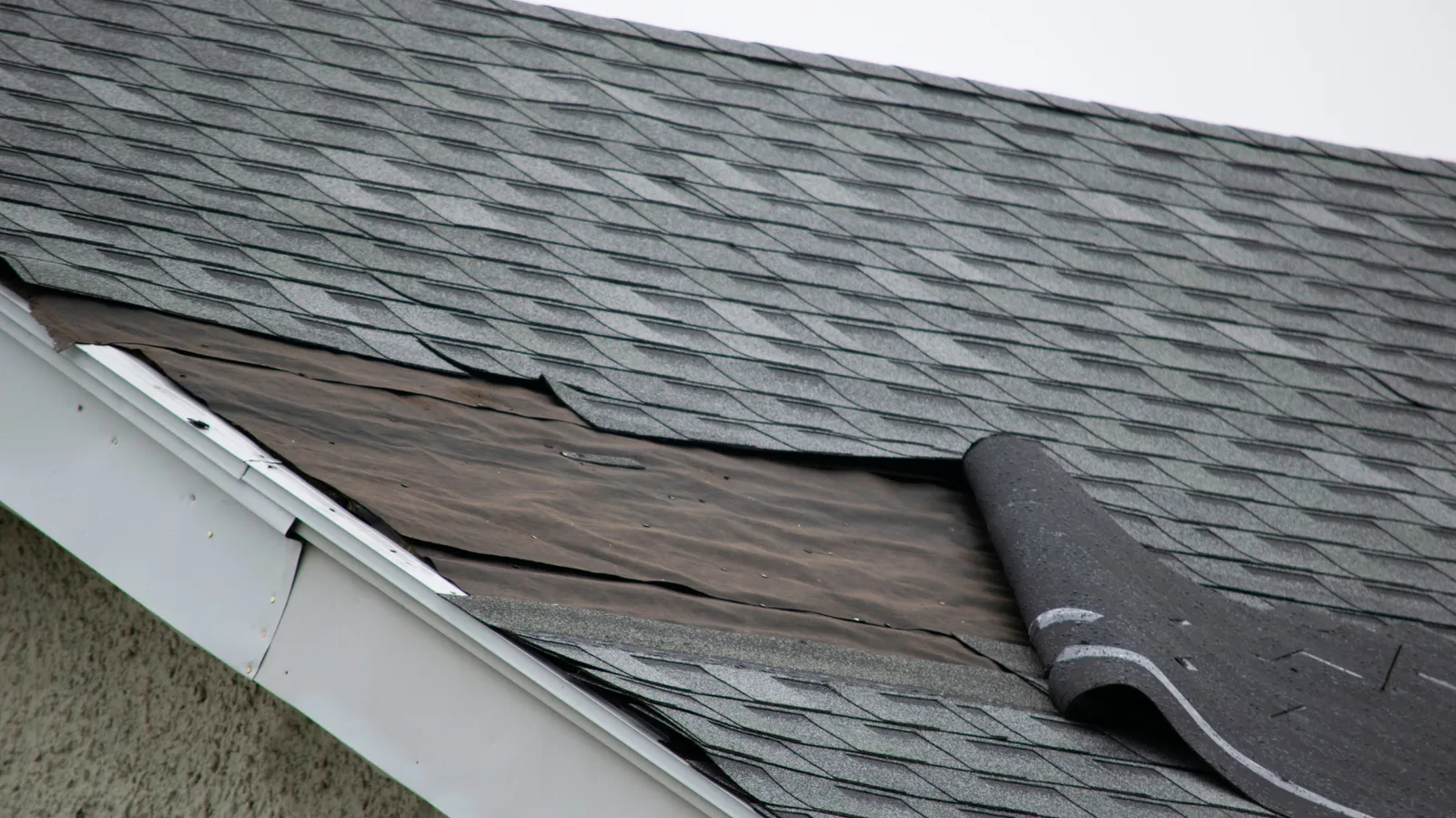
Find the roof opening behind an indoor leak and repair the connection around it. Start with a free inspection and describe where and when the water appears.
Water can travel along wood, underlayment or a roof intersection before it reaches a ceiling. The stain marks where water became visible indoors; it does not always sit directly below the entry point. Repairing only the roof above that mark can miss the cause.
The inspection starts with the leak history and follows the likely route back through the roof details. Rain direction, the part of the room affected and whether the leak begins immediately or after prolonged rain can all help frame that search.
Roof leaks are also different from plumbing leaks or condensation. The diagnosis needs to fit the evidence rather than assume every ceiling stain calls for new shingles.
Protect people first. A roofing request does not replace help for an immediate hazard.
Do not climb a wet or damaged roof or try to trace the leak from outside during severe weather.
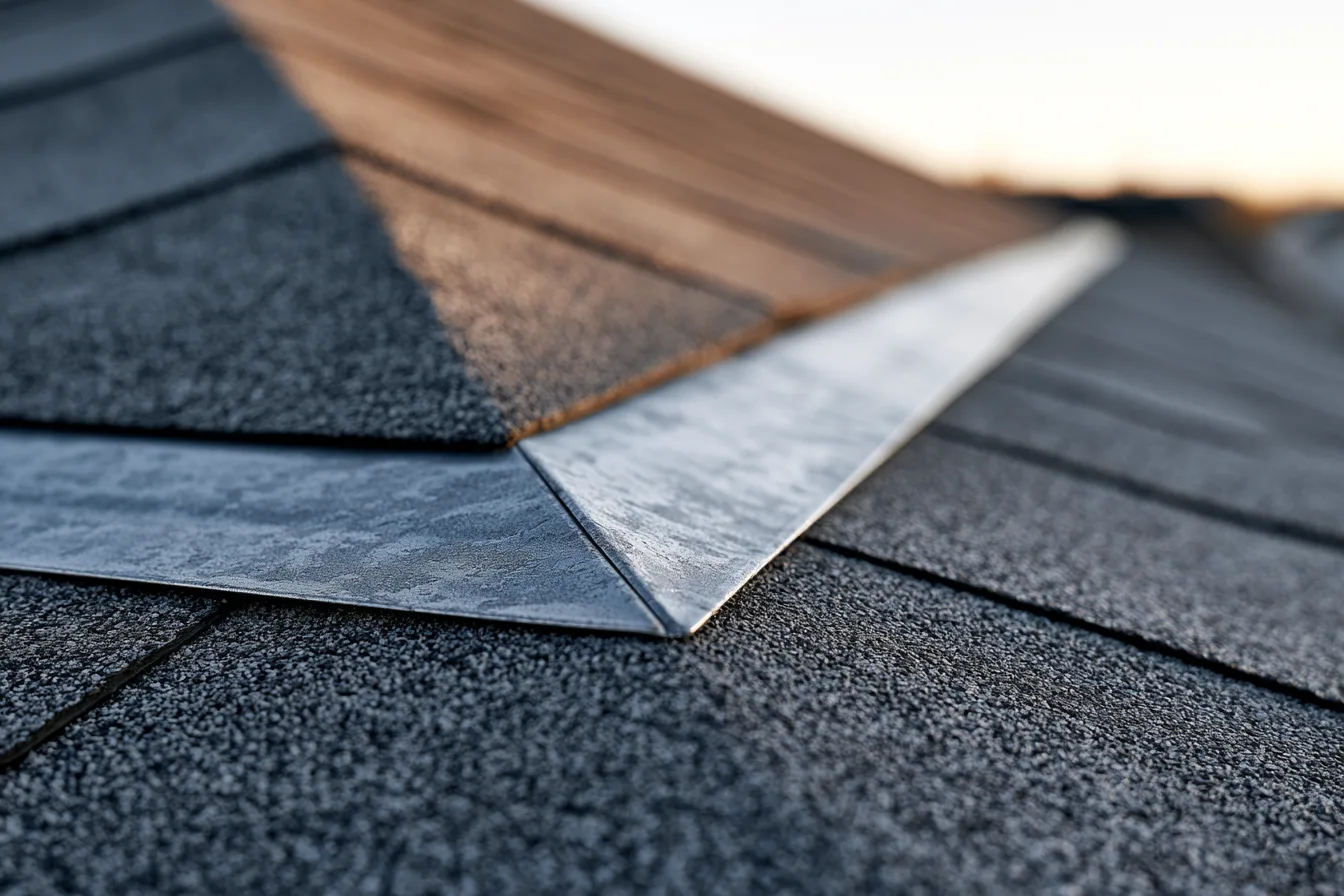
At a wall, water needs a continuous route from the wall surface onto the roof. Step flashing works with each shingle course, while its upper edge must be protected by the wall system. If water gets behind that protection, a bead along the visible edge may only hide the opening.
Repair may require opening siding or nearby shingles to rebuild the overlap correctly. The roof work and any wall repair should be clear in the scope so the finished joint is not left depending on an exposed surface patch.
The location and roof system determine the repair method. This is the decision sequence behind it.
Connect the interior evidence with the roof slope, penetrations and transitions above it. More than one defect may contribute.
Remove enough material to examine the failed connection and reach a sound repair boundary. Concealed deterioration can change that boundary.
Replace the damaged parts with compatible material and rebuild the overlaps that carry water away.
Identify wet insulation, damaged ceilings or wall finishes that require their own drying and repair work.
Stopping new water is one part of recovering from a leak. Material that is already wet does not automatically dry safely behind a completed roof repair.
The roof scope should identify damaged decking or other supporting material found at the opening. A wet surface and a decayed structural member require different attention.
Ceiling repairs, insulation replacement and interior drying can need separate trades and pricing. Agree on that boundary rather than assuming a roofing quote includes the room below.
A new wet spot may involve another opening or a broader condition. The roof repair guide explains the limits of retaining surrounding roofing that is no longer sound.
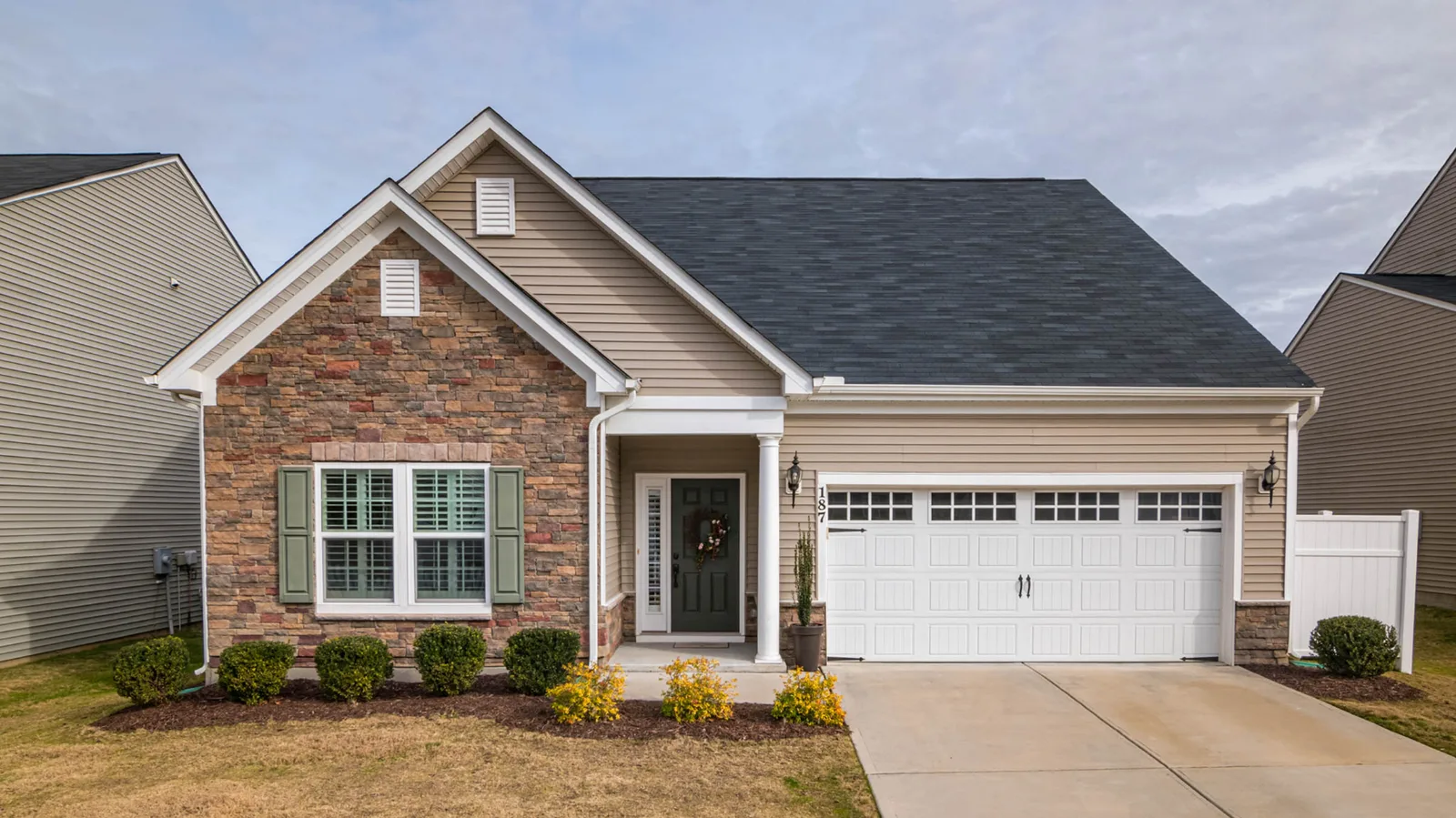
Tell us which room is affected, when the water appears and anything visible from the ground. You do not have to find the roof opening yourself.